
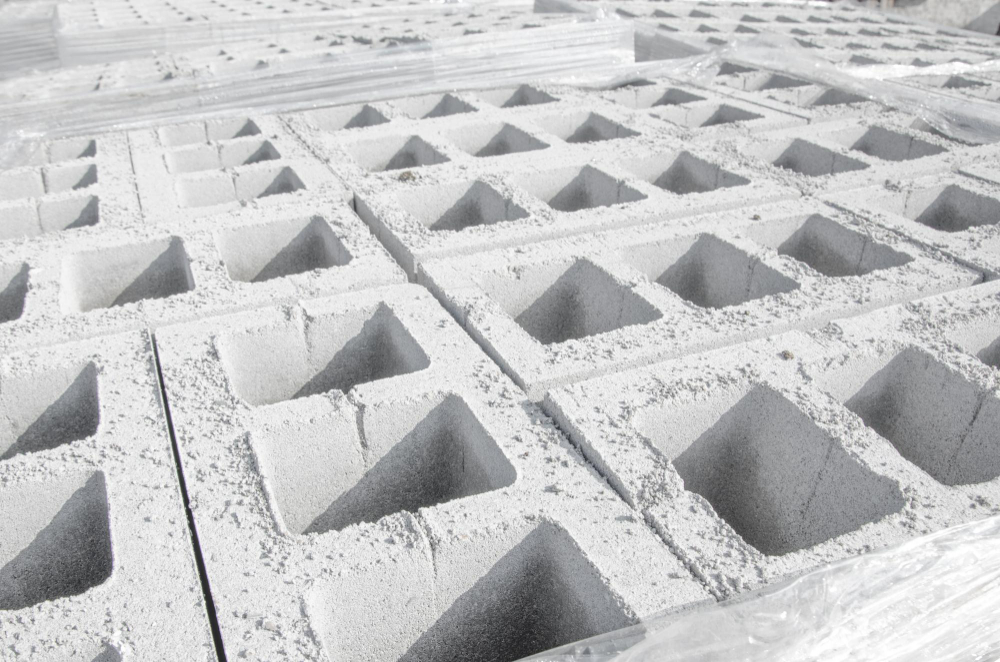
Modern construction methods rely heavily on precision, durability, and efficiency. As building materials evolve, the importance of high-quality jointing materials has become increasingly clear. In masonry and block construction, the strength and finish of a wall depend not only on the blocks themselves but also on the materials used to bond them together.
Today, builders are shifting towards advanced solutions such as ready mix mortar for AAC blocks and specialised block jointing mortar to improve construction quality. These materials provide stronger bonding, smoother finishes, and faster application compared to traditional cement-sand mixtures, making them an essential component in modern building practices.
1. Stronger Bonding for Improved Structural Stability
The primary purpose of jointing materials is to securely bond blocks together and distribute structural loads evenly. Poor-quality mortar can weaken joints, leading to cracks, instability, and long-term structural problems.
Modern block jointing mortar is specially formulated to provide high adhesive strength and superior bonding performance. Similarly, ready mix mortar for AAC blocks ensures consistent quality and reliable adhesion, helping walls maintain stability and durability over time.
2. Thinner Joints Create Better Finish Quality
Traditional mortar often requires thick joints, which can lead to uneven surfaces and inconsistent wall alignment. Thick joints also increase material consumption and may affect the overall appearance of the finished structure.
Using advanced block jointing mortar allows builders to create thinner and more uniform joints, resulting in cleaner and more precise wall finishes. High-quality ready mix mortar for AAC blocks also improves alignment accuracy, reducing the need for excessive plastering and finishing work.
3. Faster Application and Increased Construction Efficiency
Construction speed is a major factor in modern projects, especially in large-scale residential and commercial developments. Traditional mortar preparation can be time-consuming and inconsistent due to manual mixing.
Pre-formulated ready mix mortar for AAC blocks simplifies the application process by eliminating on-site mixing errors. Builders using specialised block jointing mortar can work more efficiently, speeding up installation and reducing labour costs without compromising quality.
4. Reduced Cracking and Better Durability
Cracks in masonry walls are often caused by shrinkage, uneven bonding, or poor-quality mortar. These cracks can affect both structural integrity and appearance if not properly addressed.
High-performance block jointing mortar contains additives that reduce shrinkage and improve flexibility, helping minimise the risk of cracking. Likewise, ready mix mortar for AAC blocks is designed to work specifically with lightweight AAC materials, ensuring better compatibility and long-term durability.
5. Improved Thermal and Moisture Performance
Jointing materials also contribute to a building’s thermal efficiency and moisture resistance. Poorly bonded joints can create gaps that allow heat transfer and water infiltration.
Specialised ready mix mortar for AAC blocks helps maintain the insulating properties of AAC walls by creating airtight and consistent joints. Advanced block jointing mortar also improves resistance to moisture penetration, helping protect walls from environmental damage and extending their lifespan.
Supporting Modern Construction with Advanced Jointing Solutions
The quality of jointing materials has a direct impact on the strength, appearance, and performance of masonry structures. Modern solutions provide better bonding, smoother finishes, and improved efficiency compared to traditional methods. By using high-quality ready mix mortar for AAC blocks and reliable block jointing mortar, builders can achieve stronger and more durable structures while improving overall construction quality. As modern building standards continue to evolve, advanced jointing materials will remain an essential part of creating efficient, long-lasting, and visually appealing projects.